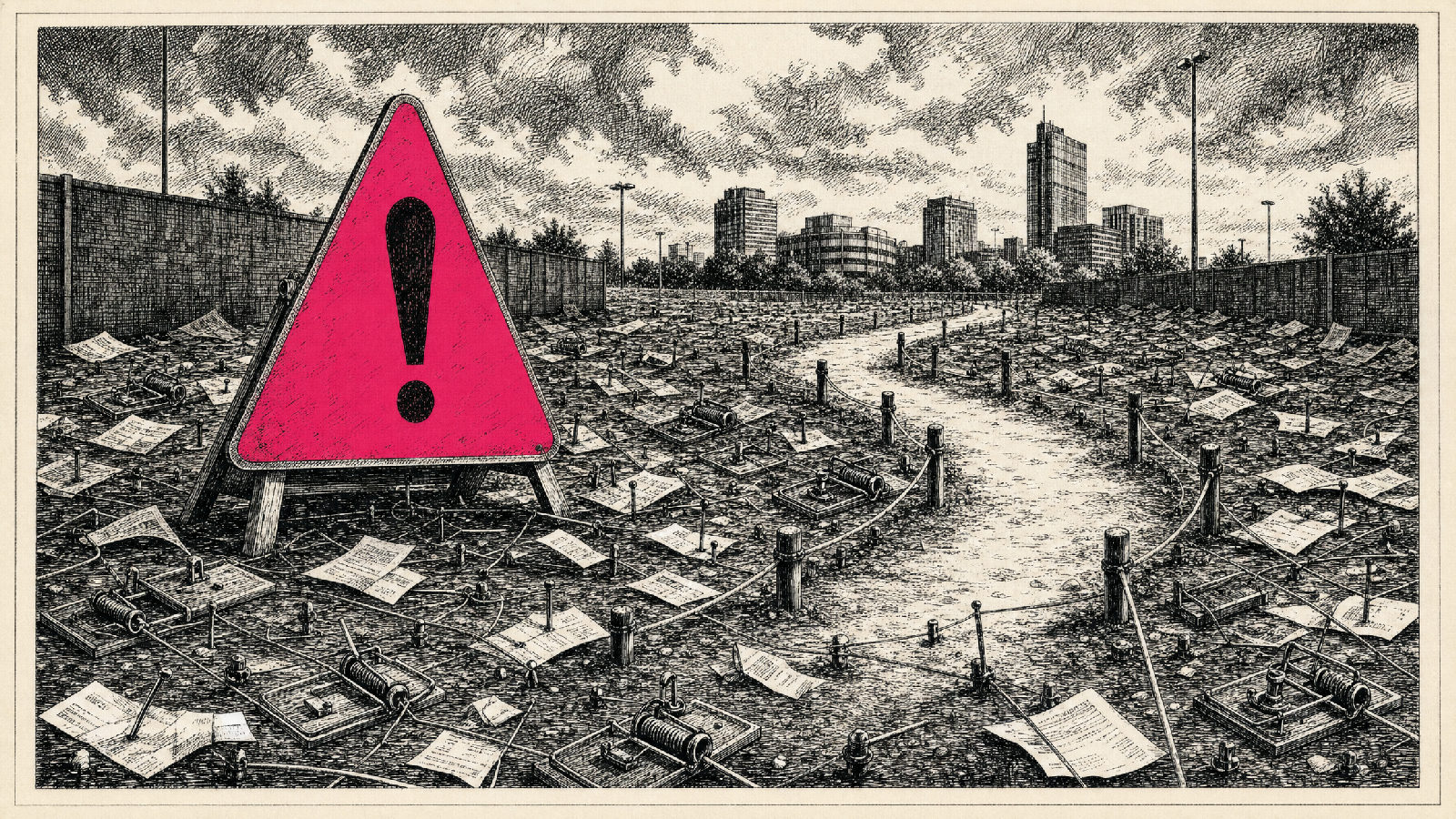

If you have just received a private parking charge notice in the post, you are probably feeling a mix of panic, anger, and confusion. The letter looks official. It uses words like "enforcement" and "liability." It threatens debt collectors and court action if you do not pay £100 within 14 days.
Take a breath. Do not pay it. And whatever you do, do not ignore it.
Private parking operators issue over 14.4 million tickets a year in the UK [1]. The entire industry is built on a simple, highly profitable assumption: that you will be too intimidated to fight back. They rely on the fact that most people do not know the law, do not understand the appeals process, and will eventually fold when the debt collector letters arrive.
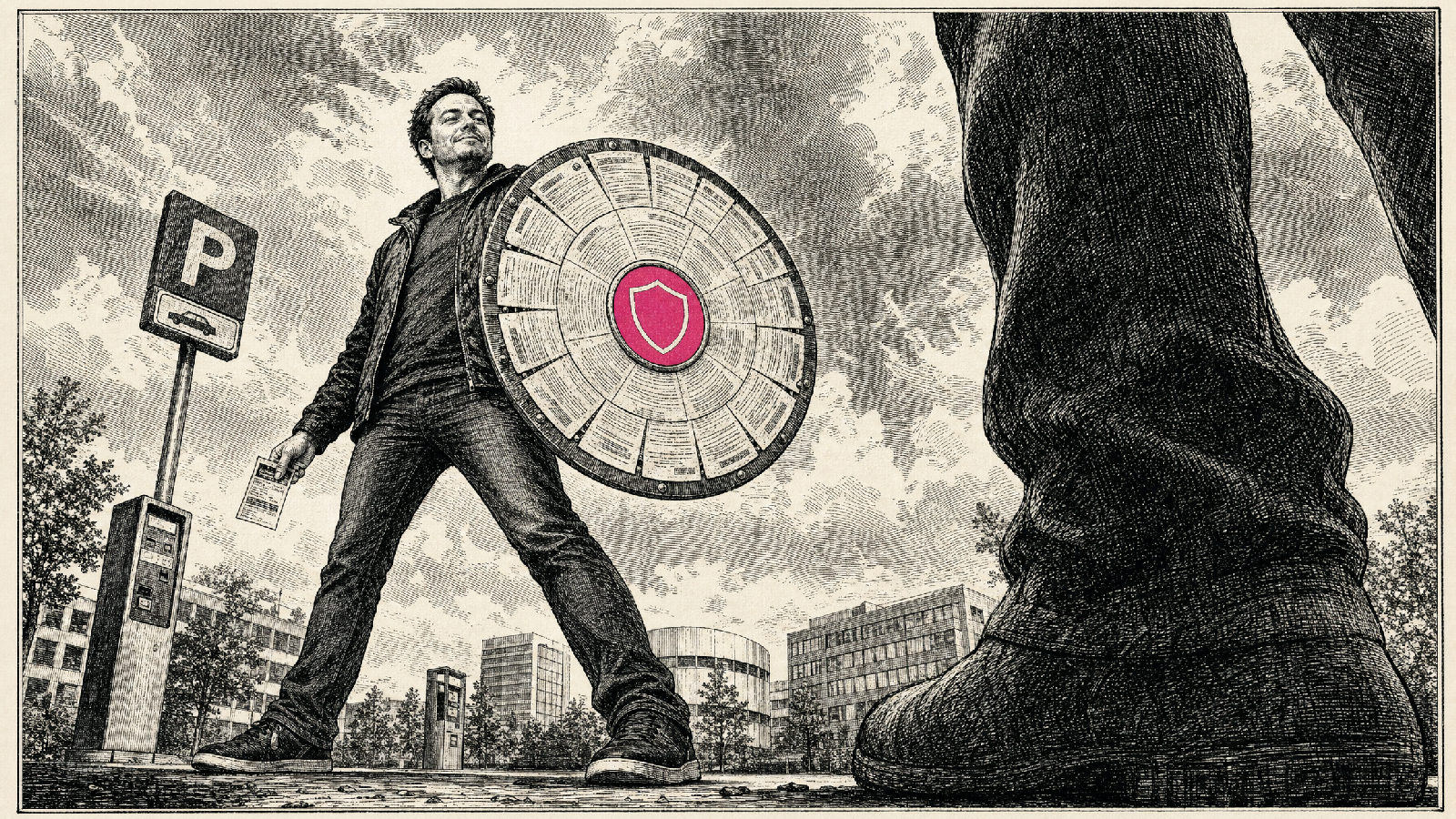
This guide is your playbook for fighting back. We are going to explain exactly how the private parking system works, why the letters look the way they do, and how you can systematically dismantle their claim against you — and in the process, cost the operator far more than the charge is worth.
The goal is not just to win. The goal is to make them regret ever sending the letter. Revenge is best sent cold. Let’s get started.
1. The Golden Rule: It Is Not a Fine
The most important thing to understand about a private parking ticket is that it is not a "fine."
When you park on a public road and overstay, the local council issues a Penalty Charge Notice. This is a statutory fine backed by criminal law. You must pay it or successfully appeal it through a formal tribunal.
When you park in a supermarket, gym, or retail park, the land is privately owned. The ticket you receive from companies like ParkingEye, Euro Car Parks, or Smart Parking is a Parking Charge Notice. It is an invoice for an alleged breach of contract.
The operator is claiming that by entering the car park, you agreed to their terms and conditions (printed on the signs), and by overstaying or failing to pay, you broke that contract. The £100 charge is the penalty for that breach.
This distinction is crucial. Because it is a contract dispute, the operator must prove that a valid contract existed, that you breached it, and that they have the legal right to pursue you for the money. If they fail on any of these points, their claim collapses.
2. The Beavis Ruling: Why You Can't Just Ignore It
Ten years ago, the standard advice for private parking tickets was to simply ignore them. The logic was that a £100 penalty for overstaying by 10 minutes was disproportionate to any actual financial loss suffered by the landowner, making it an unfair contract term.
That changed in 2015 with a Supreme Court case called ParkingEye v Beavis [2].
Mr. Beavis overstayed his two-hour free parking limit at a retail park by nearly an hour. He argued that the £85 charge was an unenforceable penalty. The Supreme Court disagreed. They ruled that while the charge was a penalty, it was legally enforceable because the operator and the landowner had a "legitimate interest" in managing the car park efficiently and deterring overstayers.
The Beavis ruling gave private parking operators the legal backing they needed. Since then, ignoring a ticket is a dangerous strategy. If you ignore the letters, the operator will eventually pass the debt to a solicitor (like DCB Legal or Gladstones), who will issue a County Court claim against you. If you ignore the court claim, you will receive a default County Court Judgment (CCJ), which will wreck your credit rating for six years.
You cannot ignore a private parking ticket. You must fight it.
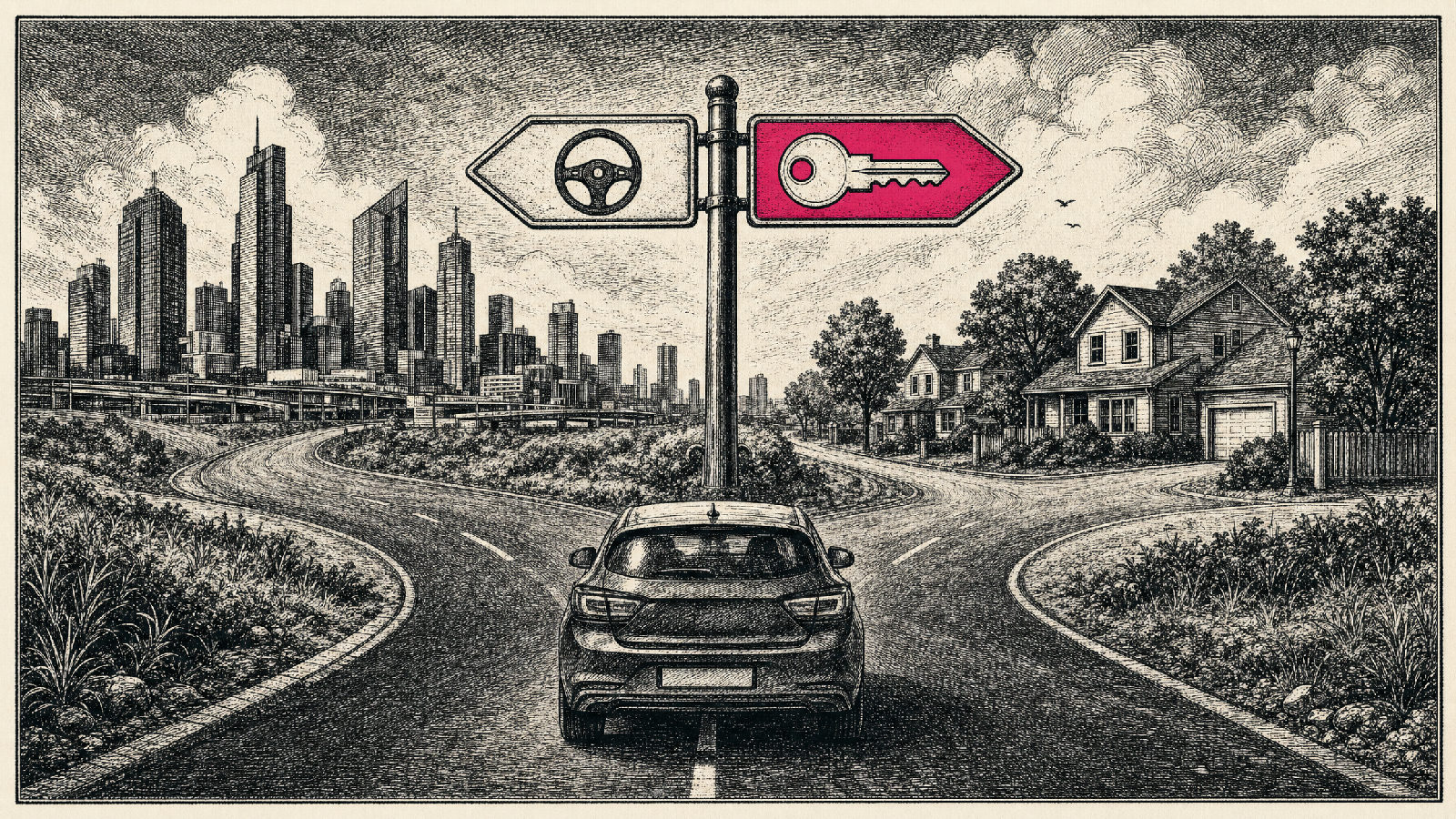
3. The Driver vs. Keeper Trap
When a private parking operator issues a ticket via ANPR (Automatic Number Plate Recognition) cameras, they do not know who was driving the car. They only know the registration number.
To find out who to write to, they request the details of the Registered Keeper from the DVLA. The first letter you receive—the Notice to Keeper (NTK)—is addressed to you as the Registered Keeper, not necessarily the driver.
The operator desperately wants you to admit who was driving. If you write an appeal saying, "I was only 10 minutes late because the queue for the till was massive," you have just admitted to being the driver. You have handed them the one piece of evidence they did not have.
The Protection of POFA 2012
Under the Protection of Freedoms Act 2012 (POFA) Schedule 4, an operator can hold the Registered Keeper liable for the driver's unpaid parking charge, but only if they comply with strict statutory conditions [3].
These conditions are incredibly precise. For example, if no ticket was placed on the windscreen, the Notice to Keeper must be delivered to your address within 14 days of the parking event. It must also contain specific mandatory wording outlined in Paragraph 9 of the Act.
Many operators fail to meet these strict POFA requirements. If they fail, they cannot hold the Registered Keeper liable. And if they do not know who the driver was, they have no one to pursue.
The Strategy: Never admit who was driving. Always appeal as the Registered Keeper. Force the operator to prove they have complied with POFA 2012. If they haven't, their case is dead.
4. The Appeals Process: How to Fight Back
Fighting a private parking ticket is a multi-stage process. The operators design it to be exhausting, hoping you will give up. If you know the steps, you can use their own system against them.
Stage 1: The Internal Appeal
Your first step is to appeal directly to the parking operator. You must do this within 28 days, but ideally within 14 days to preserve the "early payment discount" (though our goal is to pay nothing).
Do not write an emotional appeal. Do not explain that your child was sick, or the weather was bad, or you didn't see the signs. The operator does not care. They reject almost all internal appeals because they are the judge and jury of their own system.
Instead, your internal appeal should be a cold, legal challenge. You are writing this appeal not to win, but to set up your defence for the next stage. You should challenge their compliance with POFA 2012, the adequacy of their signage, and their legal authority from the landowner to issue charges.
Stage 2: The Independent Appeal (POPLA or IAS)
When the operator inevitably rejects your internal appeal, they must provide you with a code to appeal to an independent adjudicator.
There are two trade bodies in the UK parking industry, and each has its own appeals service:
- The British Parking Association (BPA) uses POPLA (Parking on Private Land Appeals).
- The International Parking Community (IPC) uses the IAS (Independent Appeals Service).
POPLA is generally considered fairer and more transparent. The IAS is notoriously difficult to win at, as it is funded by the IPC members themselves.
This is where you submit your full legal defence. You will demand that the operator produces their unredacted contract with the landowner, proves their ANPR cameras are calibrated and maintained, and demonstrates strict compliance with the relevant Code of Practice.
If you win at POPLA or the IAS, the charge is cancelled. The operator has no further recourse.
Stage 3: The Debt Collectors
If you lose the independent appeal, or if you missed the deadline to appeal, the operator will escalate the case. You will start receiving letters from debt collection agencies like DCBL (Direct Collection Bailiffs Ltd) or Debt Recovery Plus (DRP).
These letters are designed to terrify you. They will use red ink, capital letters, and words like "Notice of Intended Court Action." They will add £70 in "debt recovery fees" to the original £100 charge.
Do not panic. Debt collectors have no legal powers. They are not bailiffs. They cannot enter your home, clamp your car, or take your possessions. They are simply administrative firms hired to send scary letters.
You can use the Financial Conduct Authority's rules (CONC 7) to freeze their collection activity by formally disputing the debt.
Stage 4: The Solicitors and the Court
If the debt collectors fail to scare you into paying, the operator may pass the file to a bulk-claim solicitor firm, such as Gladstones or BW Legal.
These firms operate on an industrial scale, issuing thousands of County Court claims every week. They rely entirely on people ignoring the court papers, which allows them to secure a default judgment.
If you receive a genuine County Court claim form, you must acknowledge service and submit a defence. The moment you submit a robust, legally sound defence, the economics of the bulk-claim model collapse. It costs the solicitor more in time and court fees to fight a defended claim than the £170 they are trying to recover. In many cases, they will quietly discontinue the claim before it ever reaches a hearing.
5. Common Grounds for Appeal
When building your defence, you need to rely on established legal and procedural grounds. Here are the most effective ways to dismantle a parking charge:
Grace Period Violations
Both the BPA and IPC Codes of Practice mandate that operators must give drivers a "consideration period" to read the signs and decide whether to stay, plus a minimum 10-minute "grace period" at the end of the parking event before issuing a ticket [4]. If you were ticketed for an 8-minute overstay, the operator has breached their own Code of Practice.
Inadequate Signage
A contract cannot be formed if the terms are not clearly communicated. If the entrance signs are missing, obscured by foliage, unlit at night, or the font is too small to read from a moving vehicle, the operator has failed to establish a contract.
POFA 2012 Failures
As discussed, if the operator fails to deliver the Notice to Keeper within the strict 14-day window (for ANPR tickets), or fails to include the mandatory statutory wording, they cannot hold the Registered Keeper liable.
No Landowner Authority
Parking operators rarely own the land they patrol. They operate under a contract with the landowner. You can demand that they produce this contract to prove they have the legal standing to issue charges and pursue them in court. Often, these contracts are expired, heavily redacted, or only grant the operator the right to manage the site, not to litigate in their own name.
6. The Revenger Advantage
Fighting a private parking ticket requires time, legal knowledge, and a high tolerance for administrative pain. The operators know this, which is why their entire business model is based on attrition.
You can fight them yourself using the advice on forums like MoneySavingExpert. But it requires hours of reading, drafting letters, and managing deadlines.
Or, you can let Revenger do it for you.
Revenger is the guided system that uses your legal rights to hit private parking operators where it hurts — their profits. We know the law, we know the operators’ specific weaknesses, and we know exactly what it costs them when you push back. Every action Revenger guides you through generates a real, measurable cost for the operator. A fully escalated case costs them between £300 and £430 to process against a £100 charge. The maths simply doesn’t work for them.
For £5 — the Satisfaction Fee — you get the guided system, the letters, the deadlines, and the live Cost-to-Operator scoreboard. It’s not just about saving £100. It’s about the satisfaction of knowing you cost them £200 in the process.
Revenge is best sent cold.
***
References
[1] RAC Foundation, "Private parking firms on track to issue nearly 14.5m tickets to drivers in a year," 2026. Available: https://www.rac.co.uk/drive/news/motoring-news/private-parking-firms-on-track-to-issue-nearly-14.5m-tickets
[2] Supreme Court of the United Kingdom, ParkingEye Limited v Beavis, [2015] UKSC 67.
[3] UK Parliament, Protection of Freedoms Act 2012, Schedule 4. Available: https://www.legislation.gov.uk/ukpga/2012/9/schedule/4/enacted
[4] British Parking Association, Sector Single Code of Practice, 2024. Available: https://www.britishparking.co.uk/write/Documents/AOS/NEW%20Redesigned%20Documents/sectorsingleCodeofPractice.pdf