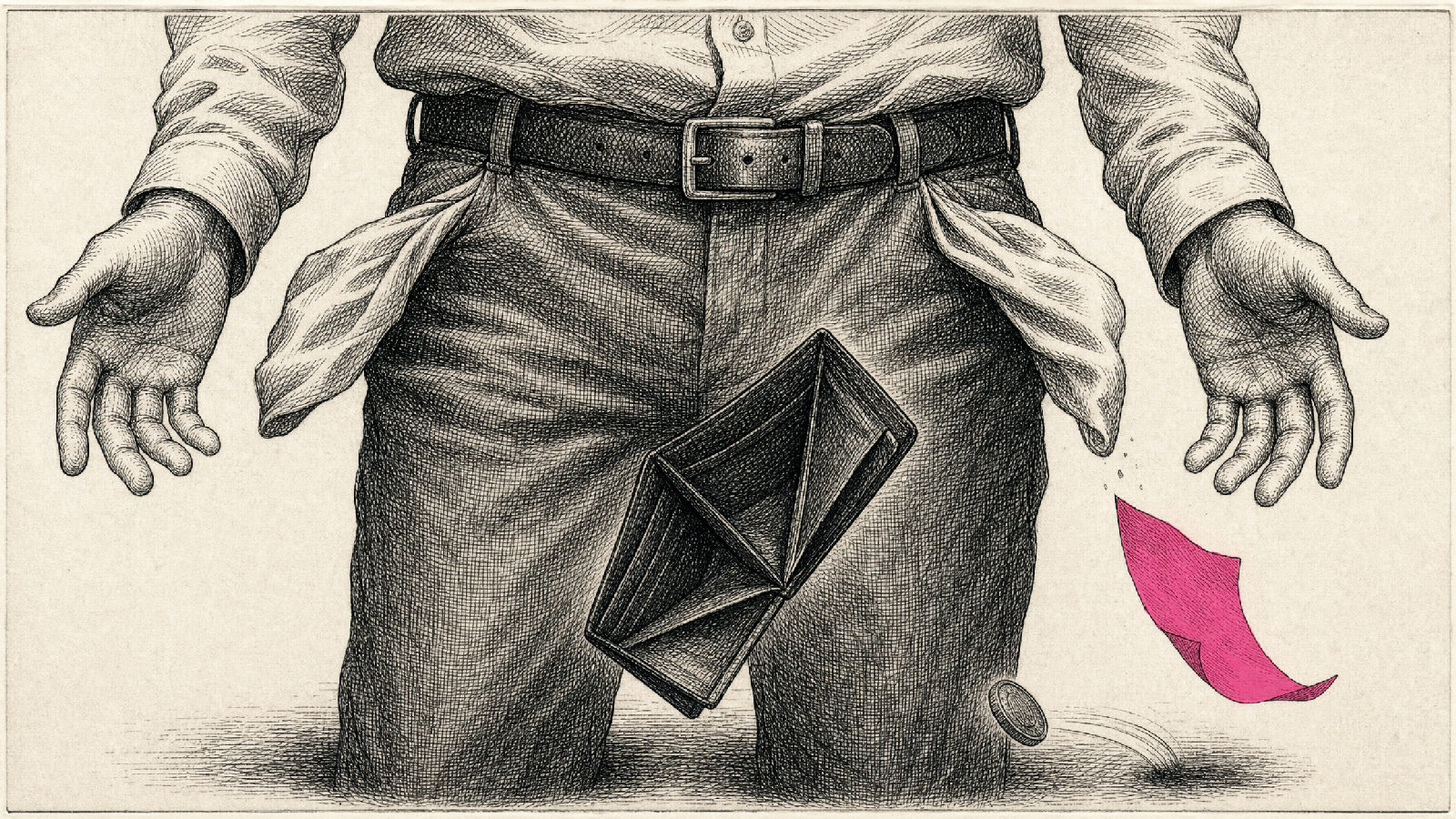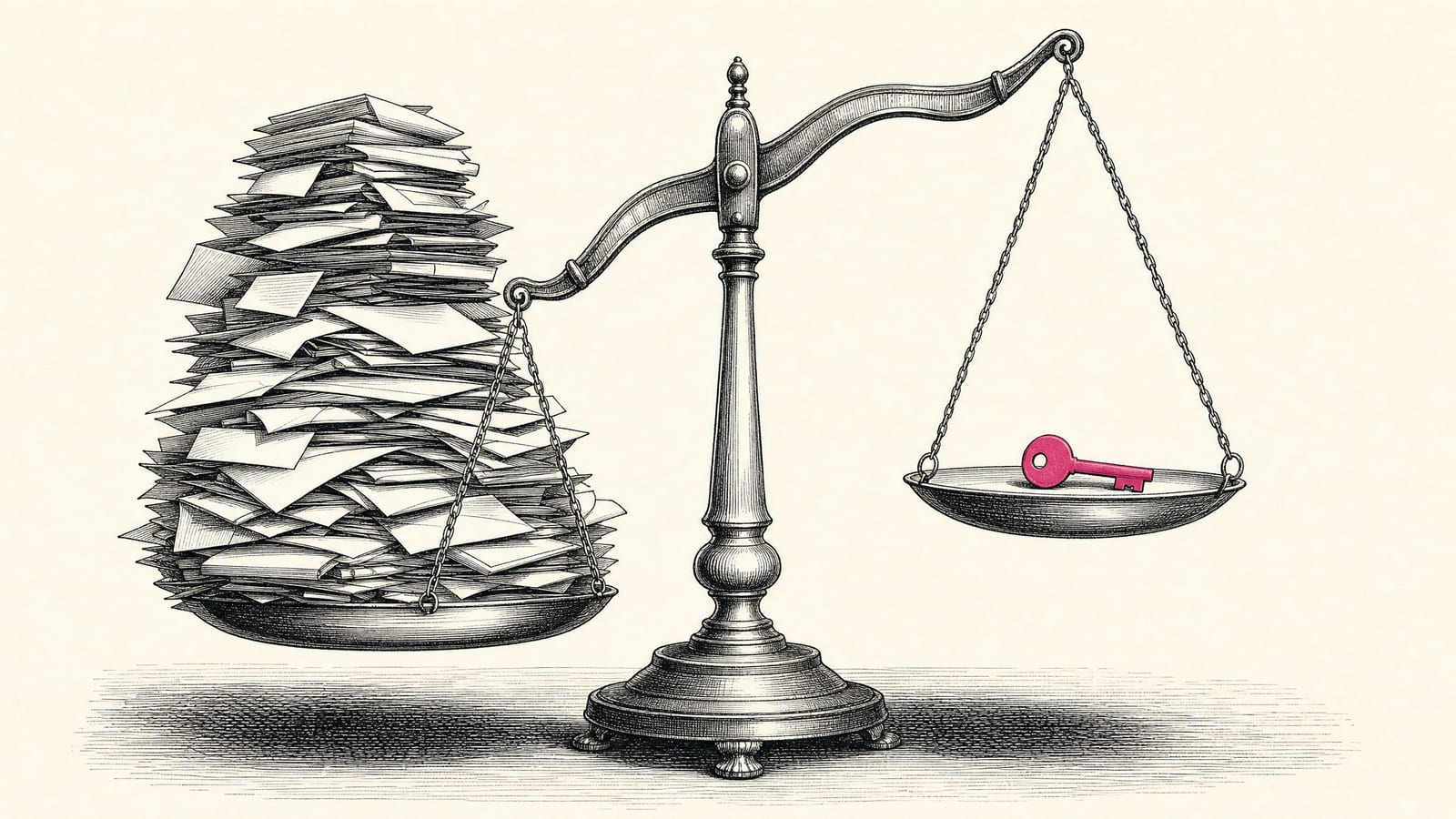

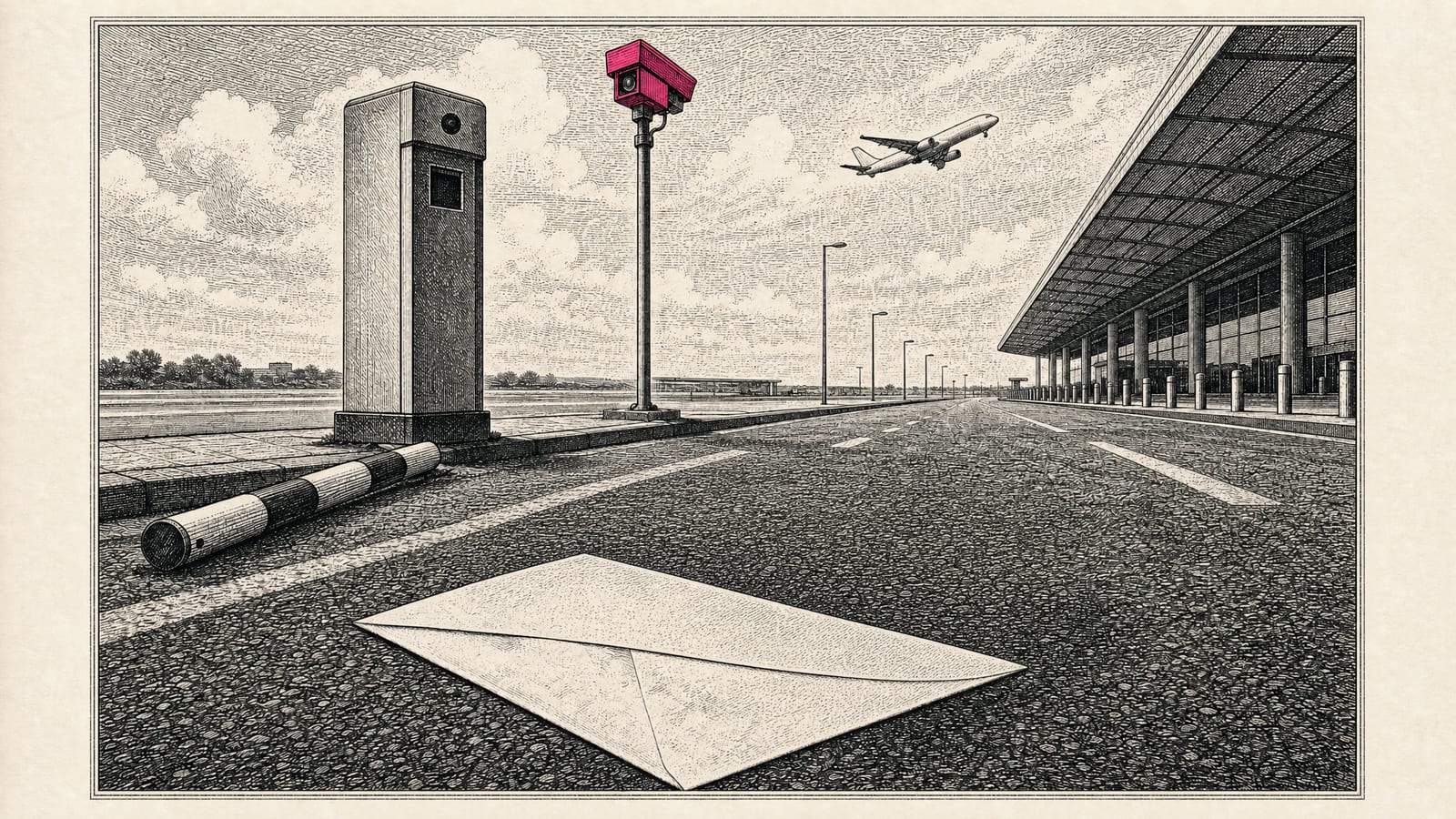
You dropped someone at Terminal 2, drove off, and didn't pay online by midnight the next day. Now a letter has arrived asking the registered keeper for £100. This is a private parking charge, not a council penalty charge notice. At Manchester Airport, though, the rules behind it differ from a supermarket car park's. The difference is a set of byelaws, and it matters most to whoever keeps the car.
How the drop-off charge works
Manchester Airport took the barriers out of its pick-up and drop-off zones in phases over late March and early April 2025. Number plate recognition cameras now log each car, and the airport said the change would help reduce congestion and improve traffic flow (Manchester Airport, 18 February 2025).
The airport's own page lists the drop-off prices at Terminals 2 and 3: £5.50 for five minutes, £6.50 for ten, and £25 for up to 30 minutes, the maximum stay. You pay online after you leave, and payment "must be made online by midnight the following day". Miss that and a £100 Parking Charge Notice goes to the registered vehicle holder, reduced to £60 if paid within 14 days. Picking a passenger up in a drop-off zone carries a £100 charge of its own (Manchester Airport, pick up and drop off).
There are two ways to drop off without paying. Drop-off is free at JetParks 1, with a shuttle bus to the terminal. Blue Badge holders can drop off on the forecourt free by showing a valid badge to the traffic marshals on the way in.
The airport names APCOA as its parking partner, and appeals go to APCOA. APCOA says the airport group selected it "to provide barrierless terminal forecourt solutions" at Manchester, Stansted and East Midlands, with enforcement part of the system (APCOA, May 2025). APCOA is a British Parking Association member, so an appeal it rejects can go on to POPLA. Its published appeal figures are on our APCOA operator page.
Why an airport is different: byelaws
The law that lets a private operator pursue a vehicle's keeper for a parking charge is Schedule 4 of the Protection of Freedoms Act 2012 (POFA), which applies in England and Wales. It gives the operator "the right to recover any unpaid parking charges from the keeper of the vehicle", provided it meets the Schedule's conditions (POFA, Schedule 4, paragraph 4).
That right only exists on "relevant land". The Schedule excludes "any land ... on which the parking of a vehicle is subject to statutory control", and parking is subject to statutory control if "any statutory provision imposes a liability" for parking there, criminal or civil. Airport byelaws count as statutory provisions for this purpose (POFA, Schedule 4, paragraph 3).
Manchester Airport has byelaws. The Manchester Airport Byelaws 2024 came into effect on 12 June 2024, after the Secretary of State for Transport confirmed them (Manchester Airport, byelaws). The airport made them under the Airports Act 1986. They apply to everything inside a blue line on the plan in their Schedule 1, which runs around the whole airport site, terminals included (the byelaws in full).
The one that matters here is byelaw 3.21: "No person shall leave any cargo or baggage or park any Vehicle or equipment in contravention of any Sign or elsewhere than in a place provided by the Airport Company" for it. Breaking it is a criminal offence, with a fine of up to level 3 on the standard scale (£1,000 when the byelaws were made).
Read against Schedule 4, that is the kind of liability for parking that can take land outside "relevant land". Where it does, the operator may be unable to rely on Schedule 4 to make the keeper pay just because they are the keeper. That is our reading, and how far it reaches depends on exactly where the car was.
In a car park inside the airport's boundary, it is a strong point. A drop-off lane on the terminal forecourt is less certain. The Airports Act 1986 lets airport byelaws regulate parking anywhere in an airport "except on roads within the airport to which the road traffic enactments apply" (Airports Act 1986, section 63), and a forecourt lane may be one of those roads. The byelaws don't say which parts of the airport road traffic law applies to, and we haven't found a court ruling that settles it.
What that does and doesn't change
It takes away one route, not the charge. Schedule 4 deals with the keeper, and it says that "nothing in this paragraph affects any other remedy the creditor may have against the keeper of the vehicle or any other person in respect of any unpaid parking charges". A claim against the driver is untouched.
What it changes is the question a keeper's appeal can ask: if Schedule 4 isn't available, what does the operator rely on to say the keeper should pay? POFA doesn't require the keeper to name the driver, and our guide to what naming the driver means for an appeal explains how that works.
The byelaws cut both ways. Parking against a sign is an offence under byelaw 3.21, so they are not only a point in the keeper's favour. And none of this makes a charge safe to ignore: the £60 rate only lasts 14 days, and the notice gives the dates that apply to it. Our guide to the mistakes that lose appeals covers the timing traps.
Why take the barriers away?
Before the change, drivers stopped at a barrier and paid as they left. The airport said that without barriers, drivers would pass through without stopping. That would cut congestion and stop people paying more because they were queuing to get out (Manchester Airport, 19 March 2025). Those are fair aims, and a queue at the exit is a real problem.
But the barrier was also where you paid. Payment happened at the exit, and there was no deadline to miss. Now payment happens on a website by midnight the next day, and a missed deadline becomes a £100 letter. Removing the barriers moved the cost of a mistake from a few seconds at the exit to the doormat.
There is a middle way, and the airport already runs half of it. It offers an auto-pay account for frequent users. At the airport's consultative committee in April 2026, the airport recommended that people register their vehicle so payment is taken automatically (committee minutes, 24 April 2026). A camera-controlled barrier could lift without a stop for a car that is registered or has paid in advance. Everyone else would pay on the way out. Make paying in advance a little cheaper and more drivers would choose the version that doesn't stop.
The same meeting gave a picture of how the current version is going. The airport's report to it said feedback had fallen slightly on the previous period, recorded 6,532 cases in total, and said "the main areas of concern continued to be barrierless issues, damage to vehicle and staff". The minutes record that traffic flow across the airport campus had improved. Members suggested an extra 24 hours to pay. They also said fines should have been low for the first few months while people got used to it. The airport said the arrangements were similar to various other large airports and there were no plans to change them. The meeting also heard that 94% of passengers travelled through the forecourt without any issue.
If the letter is already on the mat
Revenger is a self-help tool: it analyses your charge, builds your grounds and gives you an appeal letter ready to send. It's first appeal free on any charge, then £5 to go the whole way, POPLA included.
Revenger isn't legal advice, and no outcome is guaranteed.